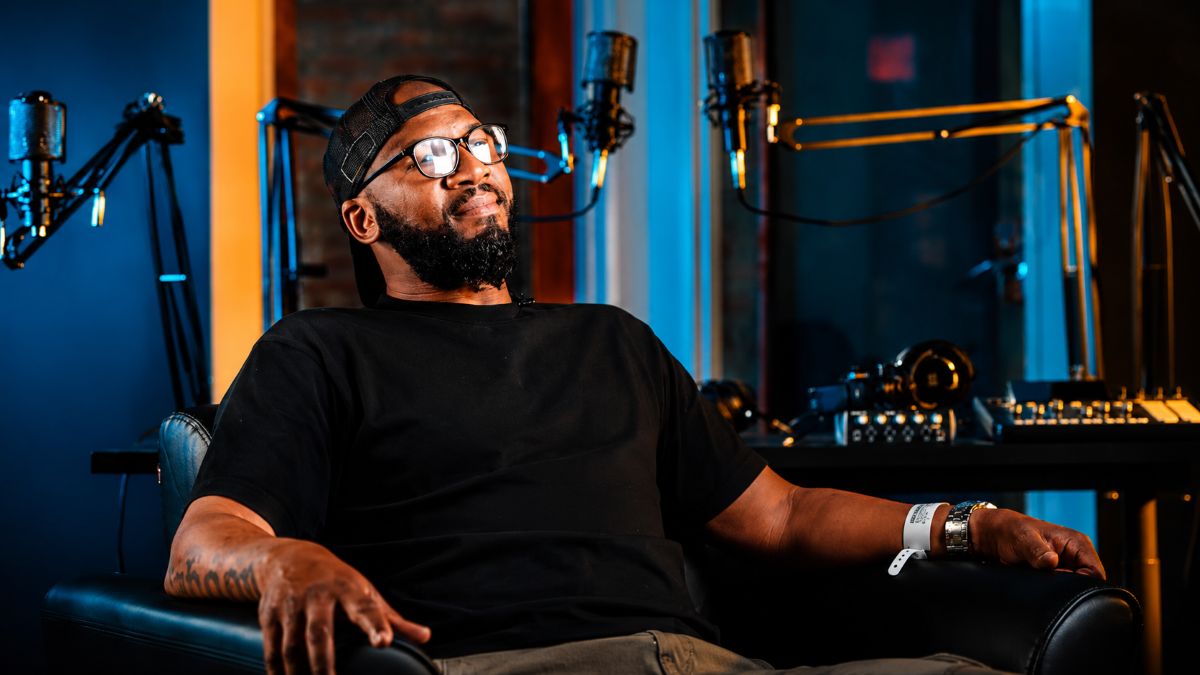
Samuel Monroe Jr., an actor whose work connected him to some of the defining Black films of the 1990s, has died. He was 52.
Monroe died Wednesday, August 26, at Providence Saint Joseph Medical Center in Burbank following a prolonged battle with meningitis and serious medical complications, according to his family.
His wife, Shawna Stewart, confirmed his death publicly.
The news brings a heartbreaking end to a medical ordeal that had stretched for months and repeatedly left Monroe’s family hoping that another procedure, another treatment or another small improvement might finally turn things around.
It never did.
Months of Medical Crisis
Monroe had been on life support since April.
His family previously said that he contracted meningitis while working in Las Vegas and that the illness went undiagnosed correctly despite repeated attempts to seek medical treatment.
By the time the infection was identified, the damage had become severe.
His condition deteriorated dramatically over the following months.
Monroe suffered seizures and brain swelling, underwent multiple medical procedures and endured additional complications as his family publicly fought for his recovery.
Earlier in August, reports indicated he had experienced more than 20 seizures in rapid succession and remained in extraordinarily serious condition.
Then came the update his supporters had feared.
He was gone.
A Familiar Face From a Defining Era of Black Cinema
For many viewers, Monroe’s name immediately brings back an extraordinary period in Black filmmaking.
His credits included Menace II Society, Tales from the Hood, Set It Off and The Players Club.
Those titles were not simply successful movies that disappeared when their theatrical runs ended.
They endured.
They became parts of Black popular culture — quoted, revisited and passed from one generation of viewers to another.
Menace II Society remains one of the most uncompromising portraits of urban life produced during the explosion of Black filmmaking in the early 1990s.
Set It Off became a beloved crime drama built around four Black women whose desperation, friendship and choices pushed them toward a devastating conclusion.
The Players Club became another cultural touchstone.
Tales from the Hood used horror to confront racism, police brutality and violence long before the modern wave of socially conscious Black horror reached mainstream audiences.
Monroe was part of that cinematic period.
Maybe he wasn’t always the name written in the largest letters on the poster.
But audiences knew the face.
His Final Months Became a Different Kind of Story
The public learned more about Monroe during his medical crisis than many had heard about him in years.
His family sought financial assistance as hospitalizations and intensive treatment mounted. They provided difficult updates. Supporters sent prayers and encouragement.
There were moments when improvement seemed possible.
Then there were setbacks.
What began as a health scare became months of life support and uncertainty.
His death now turns attention back toward the work he leaves behind.
Movies survive their actors.
A new viewer can discover Menace II Society tonight without knowing what happened to the people who helped create it.
Someone can watch The Players Club years from now and encounter Monroe on screen for the first time.
That is one of the strange gifts film gives its performers.
They leave.
The performance stays.
For audiences who grew up on those movies, Samuel Monroe Jr. will always be part of the picture.

Join the Conversation
Add your take first. The newest responses appear directly below.
0 Responses
No responses yet. Be the first to start the conversation.